
General roof repairs
General roof repair starts with finding the route water or wind has taken through the roof—not just treating the mark visible indoors.
Try a quote requestFictional concept. No roofing service is booked.
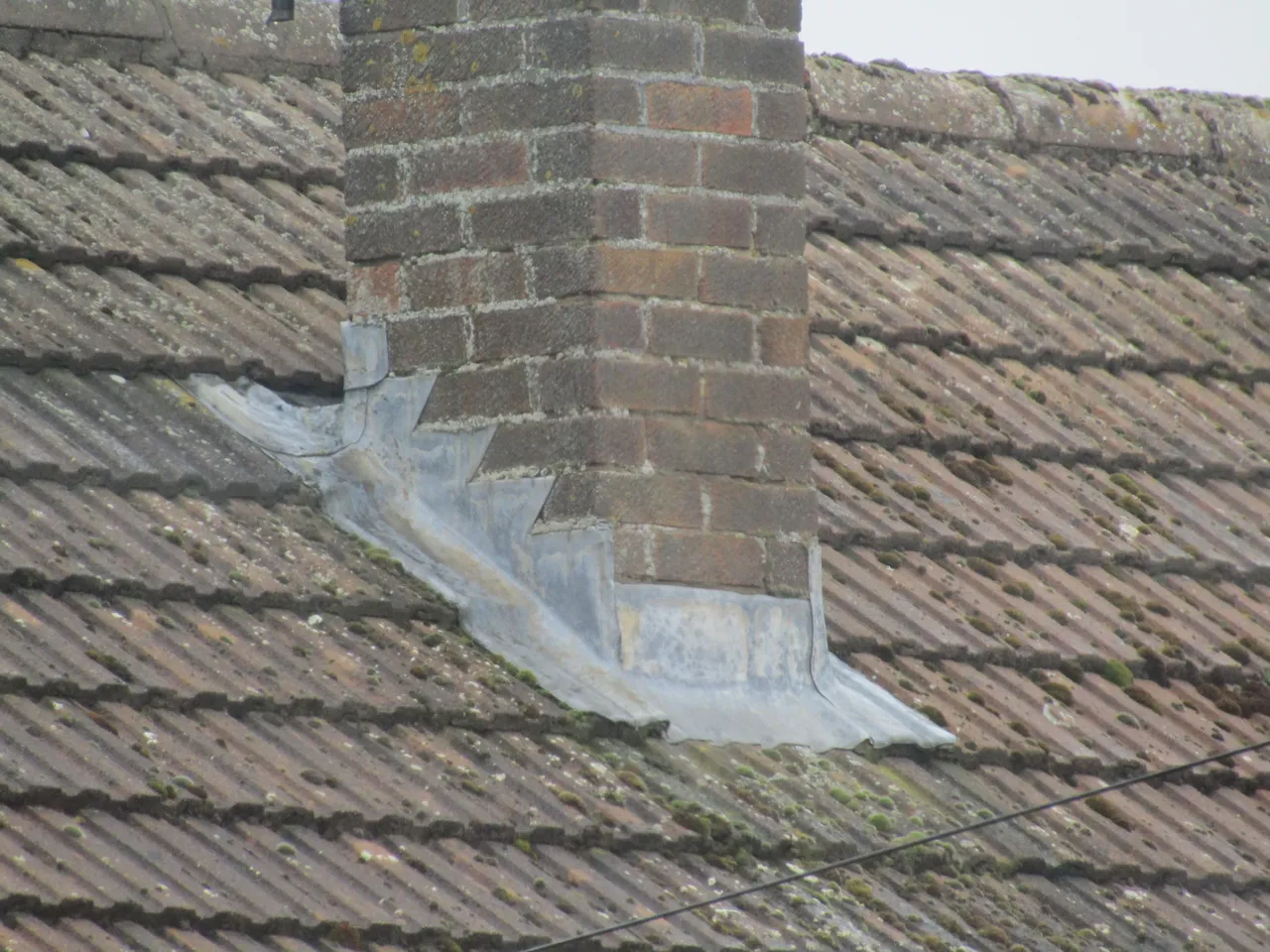
Signs worth having checked.
- A new damp patch after heavy rain
- Loose slates, tiles, ridge pieces or verge details
- Debris on the ground after strong winds
- An unexplained draught, daylight gap or recurring attic damp
Observe from a safe place. You do not need to access the roof to make an enquiry.
What the work may involve.
- Inspection of the reported area and likely routes of water ingress
- Photographs and a plain-English explanation of the fault
- Repair of affected coverings, fixings or junction details
- A make-safe option first when conditions prevent permanent work
- Advice on any separate maintenance that can reduce repeat problems
The actual work should follow an inspection and an agreed written quotation.
Does the visible stain show where the fault is?
Not always. Water may travel along the roof structure before it reaches a ceiling. An inspection should consider the covering, nearby joints and the surrounding area.
Before the inspection
Describe when the leak appears, which room is affected and whether it changes with wind direction.
What affects the price?
Access equipment, the extent of the fault, compatible materials and any underlying damage. Request a clear scope with exclusions, rather than relying on a price for an unseen roof.
What a clear quotation covers →Start with what you have noticed.
A leak, a loose slate or a roof ready for renewal. You do not need to diagnose the problem yourself.