
Roof flashing repairs
Flashing forms a weatherproof seal wherever the roof meets a chimney, wall, pipe or another change in level.
Try a quote requestFictional concept. No roofing service is booked.
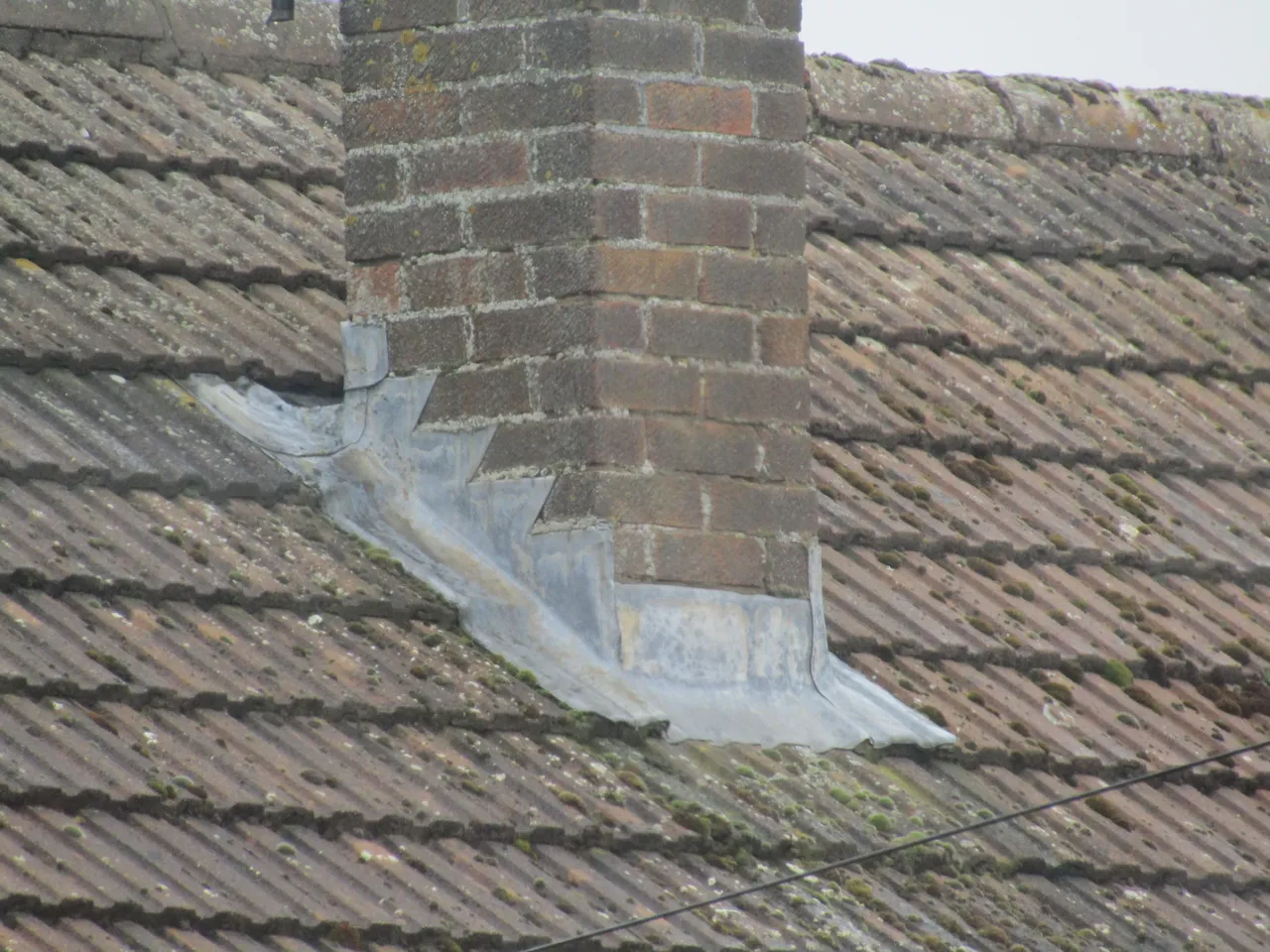
Signs worth having checked.
- A leak that appears beside a chimney or party wall
- Cracked mortar fillets or lifting leadwork
- Water marks that worsen after wind-driven rain
- Visible gaps at roof junctions or around penetrations
Observe from a safe place. You do not need to access the roof to make an enquiry.
What the work may involve.
- Inspection of the junction and the roof covering around it
- Careful lifting of nearby tiles or slates where access is needed
- Repair or renewal of lead flashing, soakers or compatible alternatives
- Correct dressing and fixing so water sheds over the roof covering
- Photographs of the completed weatherproof detail
The actual work should follow an inspection and an agreed written quotation.
Is a surface seal enough?
The joint needs to shed water correctly. A survey should establish whether the flashing can be repaired or needs renewal, and what access beneath the adjacent covering is required.
Before the inspection
Note whether the damp is near a chimney, wall or roof window, particularly after wind-driven rain.
What affects the price?
Access equipment, the extent of the fault, compatible materials and any underlying damage. Request a clear scope with exclusions, rather than relying on a price for an unseen roof.
What a clear quotation covers →Start with what you have noticed.
A leak, a loose slate or a roof ready for renewal. You do not need to diagnose the problem yourself.